
Left Brain v. Right Brain
This is the first part of the series From Ego to Soul: Remembering the Right Brain’s Wisdom. [Read Part 2] [Read Part 3] [Read Part 4] [Read Part 5]
“Oh, now I see… that’s the left brain.”
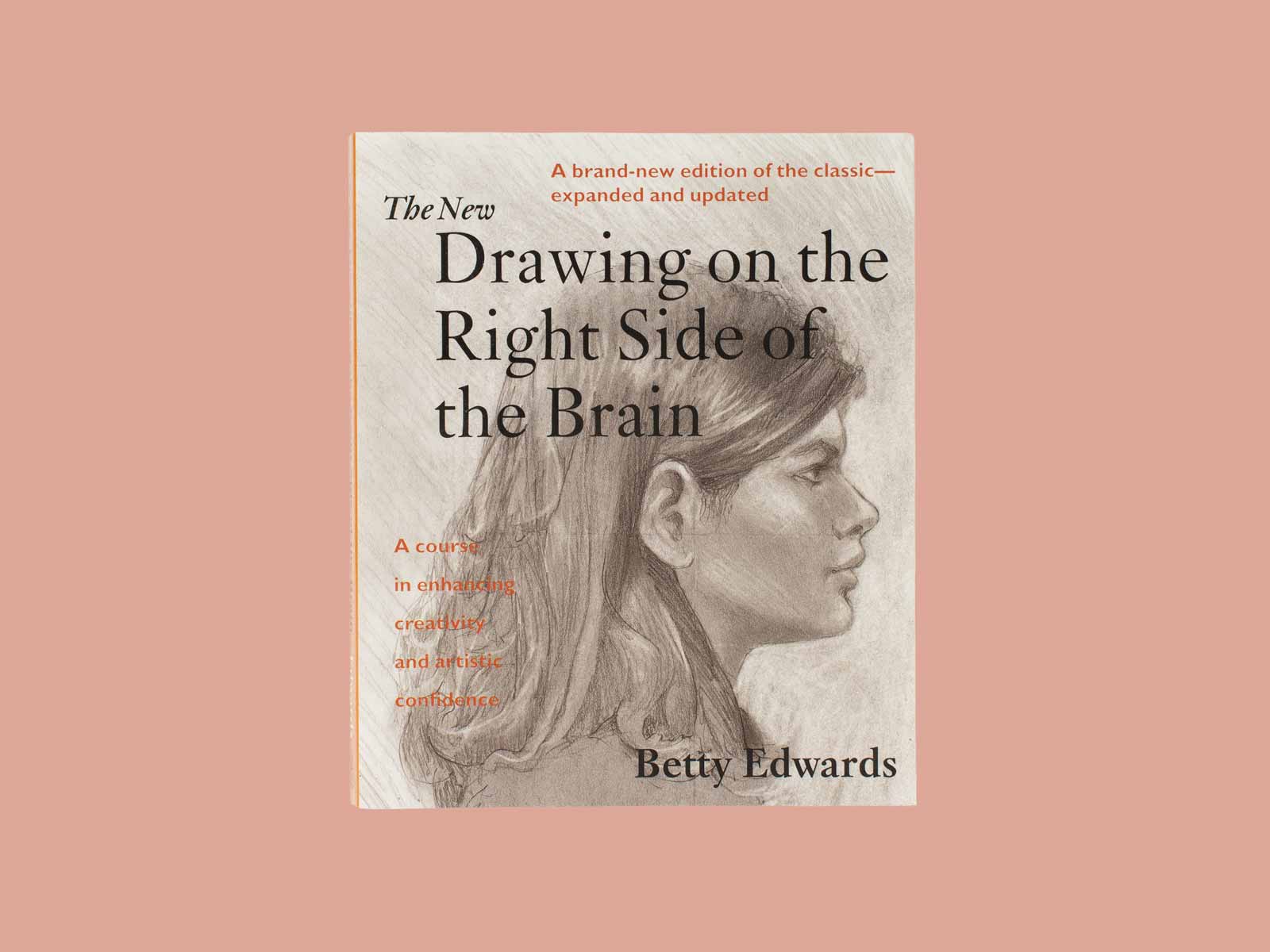
I had just finished one of the exercises in Betty Edwards’ classic drawing book, Drawing on the Right Side of the Brain. Her instructions were to take a Picasso drawing, turn it upside down, and then copy it. Don’t try to name the parts, just focus on the lines.
The exercise is designed to quiet the left brain, so the right brain, the half that actually knows how to draw, is free to do its work without interference. Left brains, she says, “don’t do upside-down,” so they refuse to engage in the exercise.
And she’s right. My Picasso copy was surprisingly good, and it wasn’t that hard. Her exercise de-mystifies drawing and makes it seem more like learning to ride a bike. I say this not to call myself a master of drawing but to point out the broader message of the exercise:
When you quiet the left brain, you can do a lot more than you think.
The left brain is the verbal half of our brain, and it talks to us all the time. It’s the voice of our ego, and the source of what meditation teachers call the monkey mind. It chatters away confidently telling us an ongoing story about what we can and can’t do, what to worry about, and what’s going to happen next. But that’s only its version of the story.
The right brain is silent—it doesn’t have the power of speech. It’s the side our spiritual selves, our souls, use to communicate, and it has an entirely different viewpoint. While the left brain goes on and on, it’s there in the background knowing what to do, if only we would pay attention to it.
And once you see that, you’ll start to notice it everywhere, because this split plays out in every part of our lives.
The left brain is your language center and the seat of your analytical, logical, time-bound thinking. It controls the right side of the body. The right brain is your center for spatial, intuitive, metaphorical knowing. It controls the left side of the body. As Edwards says,
“…despite our normal feeling that we are one person—a single being—our brains are double, each half with its own way of knowing, its own way of perceiving external reality. In a manner of speaking, each of us has two minds, two consciousnesses, mediated and integrated by the connecting cable of nerve fibers between the hemispheres.”
Our brains take in information all day long but process it in two different ways. The left brain thinks in terms of sequences and logic—it plans, runs numbers, and makes statements based in material fact. The right brain perceives in terms of pictures and knowings—it dreams, has insights, and sees the whole instead of its parts.
The author goes on to explain that the Western world has waged a propaganda war against the right brain that dates back to ancient times. The left brain has dominated our society and used its power of language to campaign against the right brain, calling it sinister, maladapted, and weak, and leaving it woefully under developed.
“Words and phrases concerning concepts of left and right permeate our language and thinking. The right hand (meaning also the left hemisphere) is strongly connected with what is good, just, moral, and proper. The left hand (therefore the right hemisphere) is strongly linked with concepts of anarchy and feelings that are out of conscious control—somehow bad, immoral, and dangerous.”
The left brain (right body) bias can be seen throughout education and politics, but also in the more spiritual yin-yang, or feminine-masculine energies. The right side of the brain is considered the feminine and the left the masculine. Our society prides itself on its masculine (yang) traits of aggression and reason over the feminine (yin) qualities of receptivity and emotion. In order for women to be heard or “get ahead” in society we’re encouraged to become more like men.
This isn’t just about drawing or personality types, and it isn’t accidental—it’s systematic.
The left brain has been using its power of language for thousands of years to discredit and dismiss everything the right brain knows. It has convinced entire civilizations that intuition can’t be trusted, that nature is dead matter to be used, that spiritual knowing is primitive superstition, that “soft” qualities like empathy and compassion are weakness.
But once you recognize this, you have a choice. You can start to question the voice that tells you that you can’t, that you shouldn’t trust yourself, that the material world is all there is. That’s only the left brain’s perspective, and it doesn’t know the whole truth.
The right brain knows things the left can’t access—but in a noisy, busy world, we have to work harder to hear what it’s saying to us.
To start to access its dismissed ways of knowing, you can begin to shift your thinking to its perspective: intuition is a higher form of intelligence, nature is alive and conscious, emotion is an essential form of communication, and drawing isn’t that hard if the left brain would just stop interfering.
Beyond that, you can tune in to your right brain in many ways. These are some ideas to start with: pay attention to your intuition and act on it, meditate, journal, write down your dreams and try to understand what they mean, take long walks in the woods, start a creative hobby like drawing, painting, singing, or playing an instrument.
These practices will help you start to hear the right brain more clearly and question which side of the brain you’re listening to.
And from there, you might find yourself wanting to understand it all more deeply—to see the full scope of how these two minds work, what they value, and how their relationship shapes not just your life, but our entire civilization.
Continue the series: The Master and His Emissary